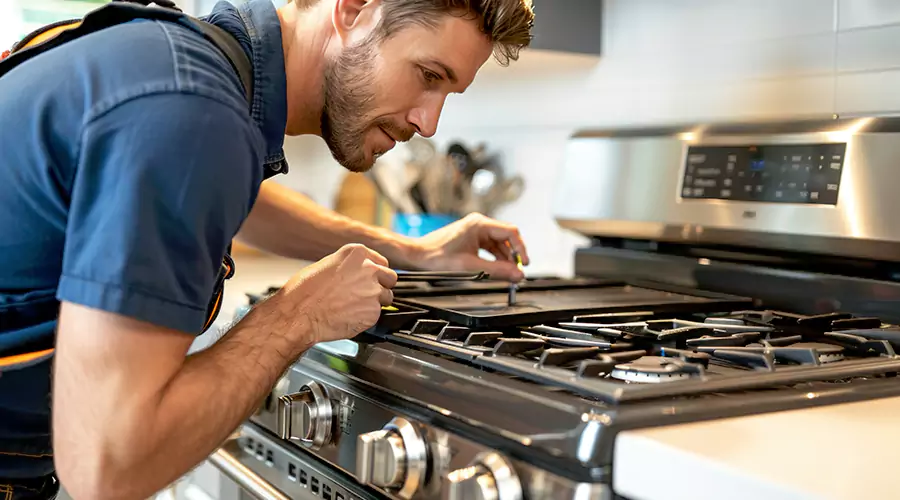
A gas stove makes daily cooking easier, but it also needs safe operation. When burners fail, flames change color, or gas odors appear, the appliance may need fast attention.
Gas stove repair helps homeowners fix ignition, burner, flame, valve, plus safety problems before they create bigger risks. Knowing the warning signs can help protect your home, your kitchen, plus your family.
Why Gas Stove Problems Need Fast Attention?
Many gas stove issues start with small changes in performance. A burner may click longer than usual, the flame may look weak, or the stove may take extra time to light.
Some symptoms can point to more serious safety concerns. If the stove smells like gas, leaks gas, sparks, or will not shut off properly, stop using it until the problem is checked.
When the Stove Will Not Light?
A gas stove not lighting problem can happen when the igniter is dirty, weak, wet, or damaged. Food debris, grease buildup, or a misaligned burner cap can also stop the burner from lighting.
Quick cleaning may help when the issue is minor. If the burner still will not light after safe basic checks, a technician should inspect the ignition system.
Continuous Clicking Sounds
A gas stove clicking issue may happen when the igniter keeps trying to spark. Moisture, grease, loose burner caps, or faulty ignition parts can cause repeated clicking.
Constant clicking should not be ignored if it continues after the burner is dry. A repair visit can identify whether the igniter, switch, or control system needs service.
Weak Flame Problems
A gas stove weak flame can make cooking slow, uneven, plus frustrating. Low flame strength may come from clogged burner ports, gas pressure issues, dirty caps, or a valve problem.
Careful inspection helps restore steady heat. A technician can clean, test, plus adjust the system safely when the flame does not perform normally.
Yellow Flame Warning
A gas stove yellow flame can signal poor combustion, dirty burners, or an airflow issue. A normal gas flame is usually blue, so yellow or orange flames deserve attention.
This warning sign should be handled quickly because combustion issues may affect safety. Stop using the burner if the flame looks unusual or produces soot.
Potential Safety Hazards : What Every Homeowner Must Know
| Warning Sign | Primary Cause | Recommended Action |
|---|---|---|
| Gas Smell | Possible gas leak | EVACUATE IMMEDIATELY. Do not touch switches; call gas utility from outside. |
| Yellow/Orange Flame | Incomplete combustion; carbon monoxide risk | Stop use immediately; ensure proper ventilation; call a professional. |
| Continuous Clicking | Moisture, grease, or faulty igniter | Clean burner caps; if clicking persists after drying, call for repair. |
| Will Not Light | Debris, misaligned caps, or igniter failure | Basic cleaning; if unresolved, schedule a professional inspection. |
| Weak/Uneven Flame | Clogged ports or gas pressure issues | Clean burner ports; if flow remains weak, have a pro check gas supply. |
| Delayed Ignition | Gas buildup; ignition system trouble | Stop using; professional inspection required to prevent flare-ups. |
| Valve Malfunction | Stuck, loose, or damaged control | Cease use of that burner immediately; contact a qualified technician. |
| Flame Shape Issues | Airflow restriction or burner damage | Inspect burner placement; seek professional service if performance is poor. |
Gas Smell Near the Stove
A gas stove gas smell is one of the most serious warning signs. If you smell gas, leave the area, avoid flames, avoid electrical switches, then contact the proper emergency service or gas utility.
Never try to keep cooking when gas odor is present. Appliance service should only happen after the area is confirmed safe.
Ignition System Trouble
A gas stove ignition problem can make burners difficult to light or cause delayed ignition. This issue may involve the igniter, spark module, wiring, switch, or burner alignment.
Delayed ignition can become unsafe when gas builds up before lighting. A professional inspection can reduce the risk of repeated ignition failure.
Burner Performance Issues
A gas stove burner problem can include uneven flames, blocked ports, delayed lighting, weak heat, or burners that shut off during use. These symptoms often come from buildup, worn parts, or gas flow restrictions.
Regular cleaning may help, but persistent issues need service. A technician can check burner caps, ports, valves, igniters, plus gas flow.
Flame Shape Concerns
A gas stove flame problem may show as flickering, uneven height, yellow tips, or flames lifting away from the burner. These changes can affect cooking plus safety.
Flame changes often point to airflow, dirt, burner placement, or gas supply issues. Professional service can restore safer flame performance.
Valve Problems
A gas stove valve issue can make it hard to control flame size or shut off gas flow correctly. A loose, stuck, or damaged valve should be treated seriously.
Gas valves are not safe for DIY repair. If a control feels wrong or does not respond properly, stop using that burner until it is inspected.
Safety Signs Homeowners Should Know
Clear gas stove safety signs include gas odors, yellow flames, delayed ignition, nonstop clicking, sparking, weak flames, soot marks, or burner failure. These signs can point to gas flow or combustion problems.
Fast action matters when safety is involved. If the problem affects gas, flame, or shutoff control, avoid using the appliance until a qualified technician checks it.
Possible Gas Leaks
A gas stove leaking gas concern requires immediate action. Leave the home if the smell is strong, avoid creating sparks, then call the proper emergency service or utility provider.
Do not attempt to locate the leak with matches or flames. Appliance repair should only be scheduled after the home is safe to enter.
Burner Not Working
A gas stove burner not working issue can happen because of a clogged burner, failed igniter, faulty switch, damaged valve, or control problem. One burner may fail while the others continue working.
Ignoring one failed burner can lead to more damage over time. A technician can test the burner system to find the exact cause.
Pilot Light Problems
A gas stove pilot light problem can affect older stove models that use a standing pilot. The pilot may go out because of dirt, drafts, gas flow issues, or a faulty safety part.
Modern stoves often use electronic ignition instead of a pilot. If your older unit has pilot trouble, professional service can help restore safer operation.
Emergency Gas Stove Service
A gas stove emergency repair may be needed when the appliance smells like gas, leaks, sparks, will not shut off, or creates unusual flames. These problems should not wait for a routine appointment.
Safety steps come first. Turn off the appliance only if it is safe, leave the area if gas odor is strong, then contact emergency help before repair service.
Gas Appliance Service Support
Professional gas appliance repair is important because gas appliances involve fuel lines, ignition systems, valves, burners, plus combustion safety. Guessing can create unnecessary risk.
Qualified service helps identify the real issue. A trained expert can inspect the appliance safely plus recommend the correct repair.
Why Professional Repair Matters?
Skilled professional gas stove repair helps homeowners avoid unsafe shortcuts. Gas stove problems can involve ignition parts, gas flow, electrical switches, burner assemblies, or control valves.
Proper diagnosis can prevent repeat issues. A technician can test the stove, explain the cause, then restore safer performance.
Home Gas Stove Service
Convenient home gas stove repair allows a technician to inspect the appliance where it is installed. This helps them check gas connections, burner alignment, ventilation, control response, plus surrounding conditions.
Reliable residential gas stove repair supports everyday cooking needs. A safe stove keeps meal prep, family routines, plus kitchen function on track.
Repair Services for Gas Stoves
Trusted gas stove repair services should include inspection, diagnosis, safety review, repair options, plus final testing. A clear service visit helps homeowners understand what failed.
The provider should also explain any safety concern before completing work. Clear communication helps you make the right repair decision.
Role of a Technician
An experienced appliance repair technician can check burners, igniters, valves, switches, caps, flame quality, plus controls. This helps identify whether the issue is minor or urgent.
Good technicians also test the stove after service. Final testing helps confirm steady ignition, proper flame color, safe shutoff, plus reliable burner performance.
Basic Troubleshooting Before Service
Safe gas stove troubleshooting can include checking the following options carefully:
- Burner cap alignment and proper seating
- Cleaning visible food debris and grease accumulation
- Drying wet burner heads or ignition areas completely
- Confirming all control knobs are turned fully off
Avoid opening gas lines, adjusting valves, or taking apart internal components without training. If gas odor, yellow flames, sparking, or delayed ignition appears, call for service.
Emergency Repair Situations
Urgent emergency gas stove repair is needed when gas odor is present, flames look unsafe, or the stove will not turn off. These situations can affect household safety quickly.
Do not wait for the issue to go away on its own. Stop using the appliance until a qualified professional confirms it is safe.
Same Day Repair Help
Helpful same day gas stove repair can be useful when the stove has burner failure, ignition trouble, clicking, or flame issues that affect daily cooking. Fast service can reduce inconvenience plus prevent added damage.
Same day support is especially valuable when the stove is the main cooking appliance. A technician can diagnose the issue quickly then explain the repair options.
Finding Local Gas Stove Service
Searching for gas stove repair near me can help homeowners find nearby help when safety signs appear. Local service may offer faster scheduling plus better familiarity with common gas stove problems.
A reliable repair provider should communicate clearly, explain the estimate, plus prioritize safety. Clear guidance helps homeowners know what to do next.
Final Thoughts
Gas stove problems should never be ignored when they involve smell, flame color, ignition, clicking, leaking, or control issues. Small warning signs can point to a larger safety concern.
Professional repair can restore safer cooking performance, protect the home, plus reduce the risk of repeat problems. If basic cleaning does not solve the issue, schedule a qualified technician before using the stove again.